Categories
Pocket Filter
Compare pocket filters for air-handling units and ventilation systems by efficiency designation, media, pocket count and length, rated airflow, resistance and frame construction.
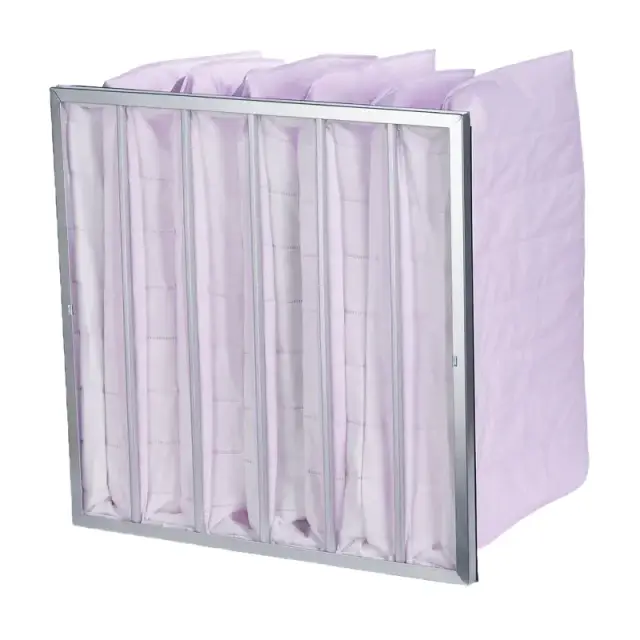
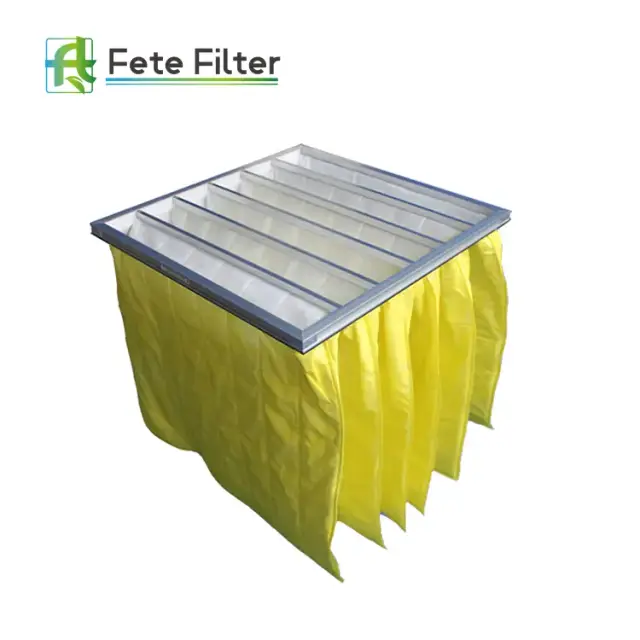
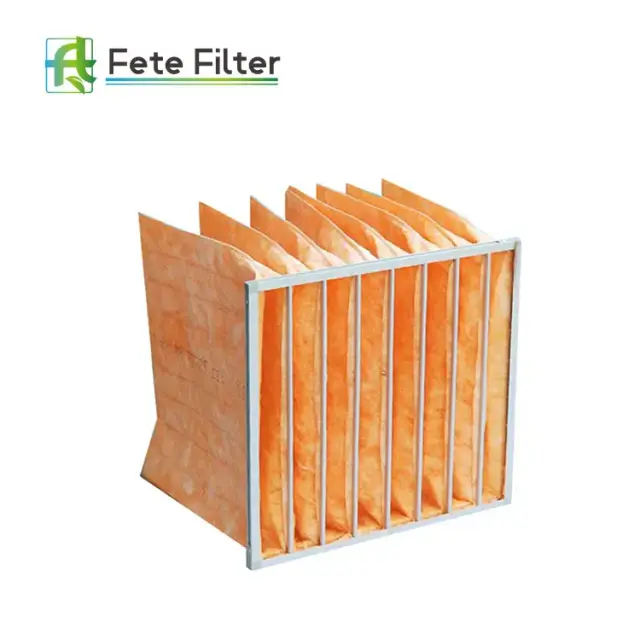
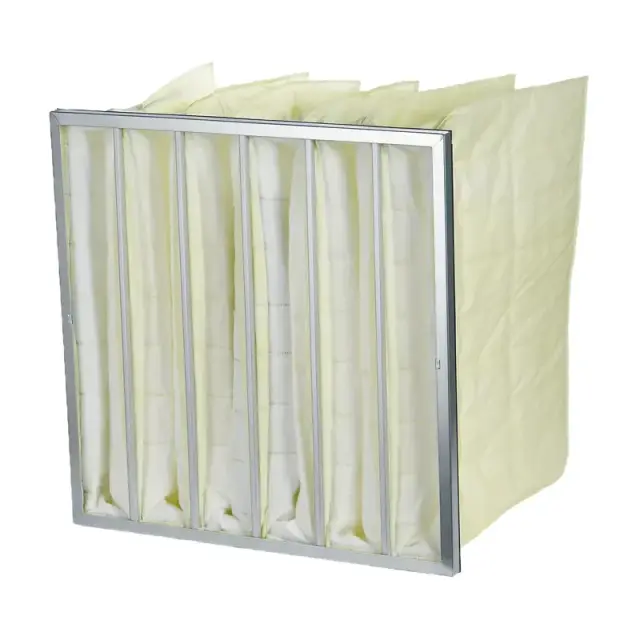
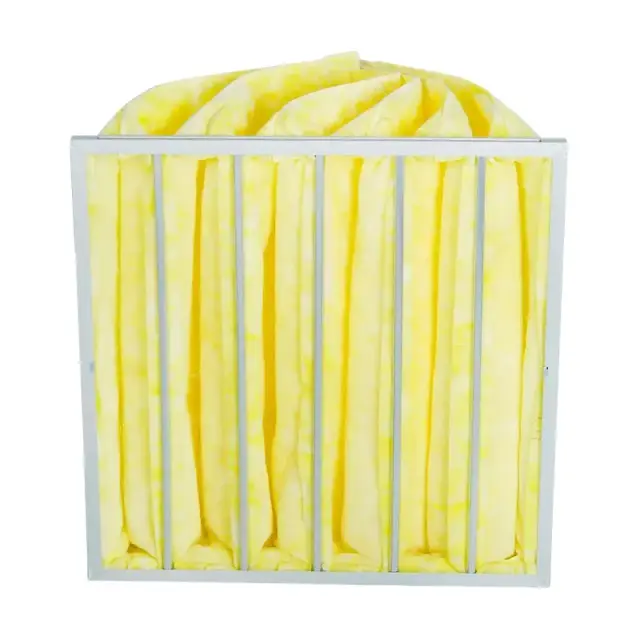
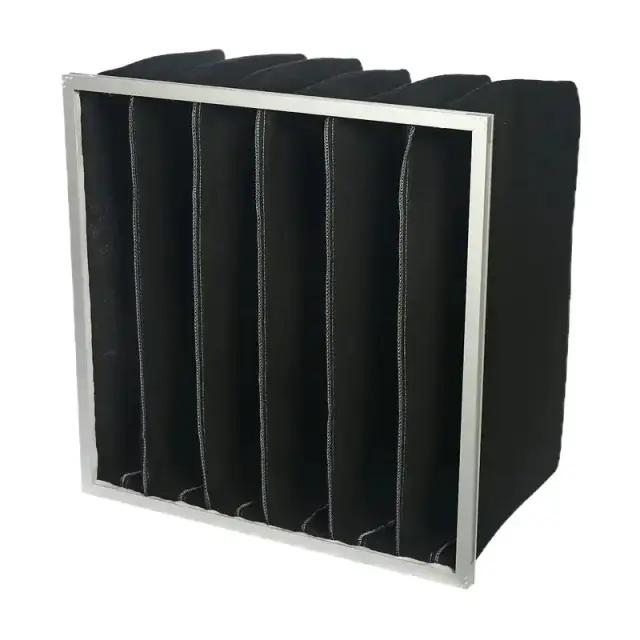
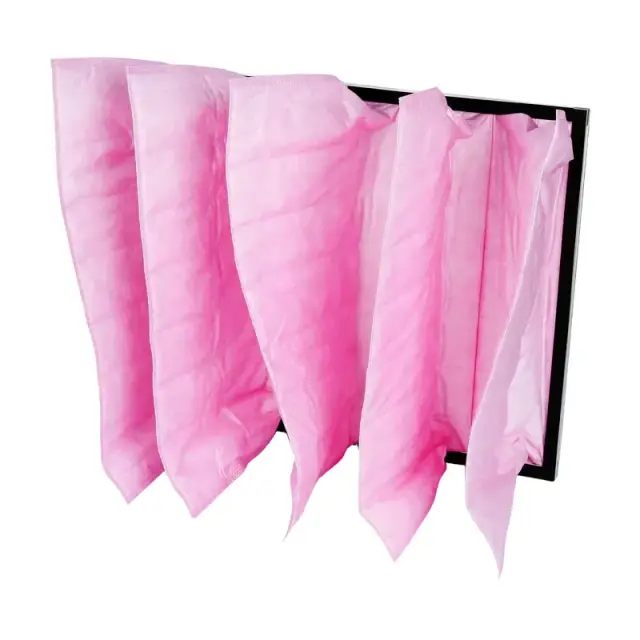
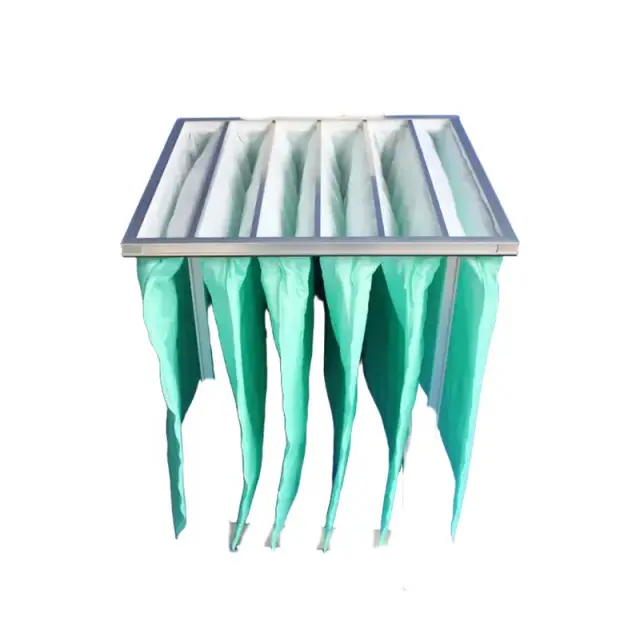
Related products and technical support
How to specify a pocket filter
Match the filter to the air-handling unit, required efficiency and available fan pressure.
Technical points to compare
- Efficiency designation and referenced test method
- Rated airflow, initial resistance and final resistance plan
- Face size, pocket count, pocket length and frame depth
- Synthetic or glass-fiber media and operating conditions
Details to include in a request
- Face dimensions, pocket length and quantity
- Required efficiency designation and test method
- Rated airflow and acceptable initial resistance
- Frame material, header style and packaging requirements
Related Pocket Filter Links
Model Selection Support
Specification Review
Quotation by Configuration
Comparing pocket filters for HVAC systems
Pocket filters are commonly selected for air-handling units by balancing particle-removal performance, initial resistance, dust-holding capacity and available installation depth.
Compare products using the same referenced efficiency method and airflow. Pocket count, pocket length, media type, stitching or spacer design and frame construction can affect resistance and service behavior.
For replacements, send the existing label, face dimensions, pocket length, airflow and final-resistance policy. This helps preserve fit while avoiding an unsuitable change in system pressure.