Mini Pleat Filter

Helpful filter resources

Mini Pleat Filter sourcing notes

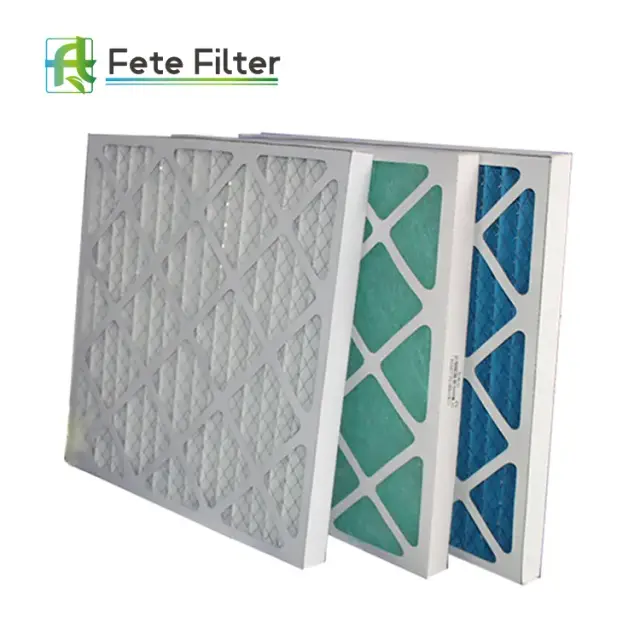
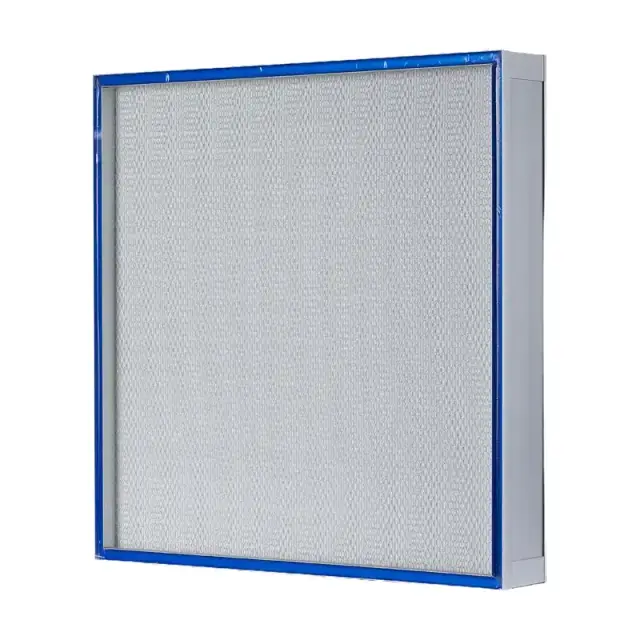
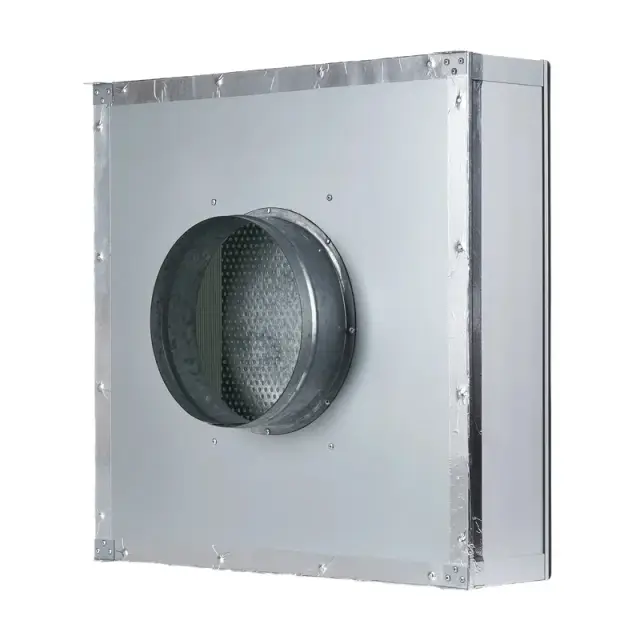
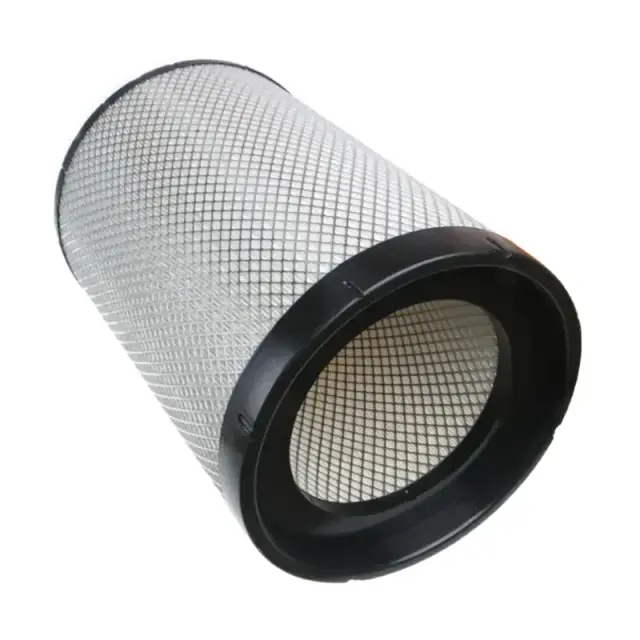
Fete Filter manufactures and supplies Mini Pleat Filter for cleanroom, HVAC, laboratory, industrial air filtration and controlled-environment projects. Use this category page to compare models, review product details, and request specifications, custom options, lead time and factory pricing from our sales engineers.

When selecting Mini Pleat Filter, confirm the air volume, filter efficiency, pressure drop, frame material, installation size, gasket position and operating environment. Start with the application and replacement schedule, then compare model size, airflow, sealing method and installation space.

Typical buying questions for Mini Pleat Filter include which efficiency grade suits the target process, whether the project needs disposable or reusable construction, what media and frame materials fit the environment, how the filter should be sealed in the housing, and how often replacement should happen under the expected dust load and operating schedule.

This category page is intended to help project teams compare available models before requesting a quotation. Open the linked product detail pages for dimensions and configuration references, then send quantity, size, efficiency target, installation photo, destination country and delivery timing so Fete Filter can recommend the right option with packaging and shipment details.
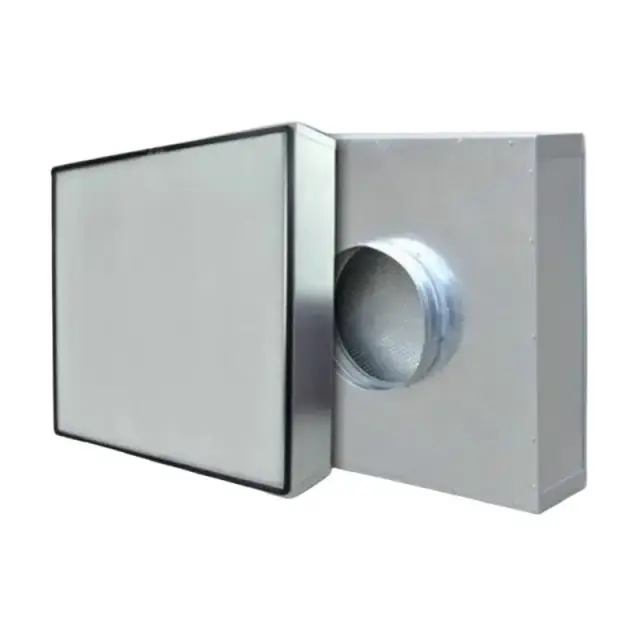
Send drawings, photos, quantity, destination country and target delivery date when you need a quotation.
Ask for replacement comparison when an existing model has changed, been discontinued or needs a custom size.
Open product detail pages for specifications, then contact Fete Filter for lead time, packing and factory pricing.
Product family

Related Mini Pleat Filter Links

Category pages

Browse every Mini Pleat Filter page

30 Day Returns

100% Handpicked

Assured Quality

How buyers use this filter category page

This category page is designed to help sourcing teams compare multiple filter options before they shortlist a final model. In practice, buyers normally review application type, filtration class, airflow requirement, initial resistance, recommended final resistance, media structure, frame material, sealing method, and replacement frequency together instead of choosing only by product name. That comparison process is especially important when a project needs stable performance across cleanrooms, HVAC systems, gas adsorption stages, industrial ventilation lines, or equipment protection applications.

A good category page should also answer the early commercial questions that appear before sample approval. These questions usually include whether standard dimensions are available, whether custom sizes can be produced, what minimum order quantity applies, how private labeling or OEM branding is handled, what export packaging is recommended, and how quickly drawings or sample confirmation can be arranged. Giving buyers this context in plain text makes the page more useful for real procurement work and easier for search engines to understand.

When a visitor moves from this listing page to a specific product page, they are usually trying to confirm the exact filter construction for a real project. Useful information to prepare for that next step includes the installation environment, existing housing size, required filtration grade, airflow volume, media preference, temperature and humidity conditions, and any performance target related to dust, odor, fumes, or molecular contamination. With that information ready, product selection becomes faster and more accurate.

If your team is comparing several models on this page, it is worth treating the page as a shortlist rather than a final decision point. The best result normally comes from combining the visible category overview with a detailed product confirmation, drawing review, and quantity plan. That approach reduces ordering mistakes, improves delivery planning, and helps buyers choose filter solutions that fit both technical performance targets and long-term maintenance budgets.